Imlil Valley Guide: 5 Epic Adventures You Can’t Miss
Imlil Valley: Your Gateway to Morocco’s Most Gorgeous Mountain Escape
Your Perfect Escape from Marrakech’s Madness
So you’re in Marrakech, right? And don’t get me wrong – I love the city’s energy, but sometimes you just need to get away from all those persistent carpet sellers and the constant noise. That’s where Imlil Valley comes in, and trust me, it’s like stepping into a completely different world.
Why Imlil is Your New Favorite Mountain Spot
Picture this: you’re only about an hour and a half drive from Marrakech (depending on how brave your taxi driver is on those twisty mountain roads), and suddenly you’re at 1,800 meters up in the mountains where the air is crisp and cool. Even in summer! It’s honestly like nature’s own air conditioning.
The imlil village is the polar opposite of Marrakech – instead of dodging motorbikes and haggling over everything, you’re sipping mint tea with locals who actually seem genuinely happy to see you. Plus, if you’re thinking about hiking Mount Toubkal (North Africa’s highest peak – pretty cool, right?), this is your starting point. The atlas mountains imlil region is basically hiker heaven.
The Views Will Blow Your Mind
What Makes Imlil Valley So Special
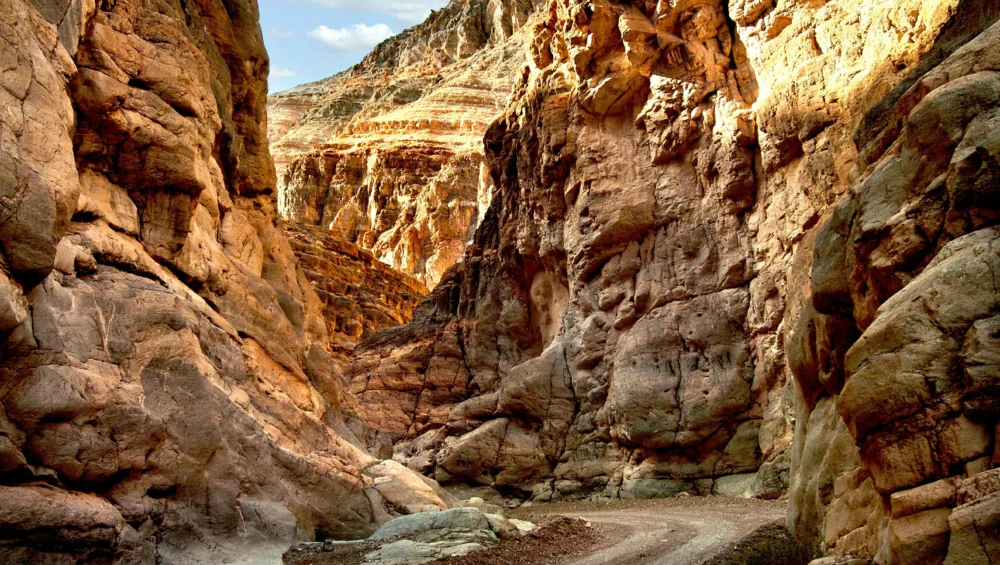
Okay, I’m not usually one for dramatic descriptions, but the Imlil Valley is seriously stunning. You’ve got these massive snow-capped peaks surrounding you – on clear days, you can actually see them from Marrakech, but being up close is a whole different story.
The valley is filled with these gorgeous orchards (cherry, apricot, walnut trees) that follow the mountain streams, and there are waterfalls everywhere – including the famous cascade imlil that’s super easy to reach. The locals have been farming these terraced fields for centuries using traditional irrigation systems that are honestly pretty impressive. It’s like looking at a postcard, except you’re actually there.
When to Go (Trust Me on This)
Here’s the thing about mountain weather – it’s unpredictable. Morocco might be known for being hot, but up in the mountains, it’s a whole different story.
Winter (December to February) gets properly cold with snow, so if you’re thinking about climbing Toubkal, you’ll need serious gear like crampons and ice axes. May is absolutely perfect for trekking – I can’t stress this enough. The weather’s ideal, though you might get the occasional surprise storm.
September and October are also fantastic for hiking. But July and August? Forget about it. It can hit 45°C, and trust me, you don’t want to be hiking in that heat.
The People Make It Special
Real Mountain Hospitality
The imlil village and surrounding areas are home to the Berber people (they prefer to be called Amazigh, which means ‘Free People’ – pretty cool, right?). These folks have been living in these mountains for centuries, and their lifestyle is beautifully simple. No rushing around, no constant phone checking – time moves with the sun and the call to prayer.
And here’s what I love most: they’ll welcome you with mint tea. Not because they have to, but because that’s just what they do. It’s real hospitality, not the touristy kind.
Cool Stuff You Can Actually Do
Want to get off the beaten path? Try village-to-village trekking along ancient trails. It’s like stepping back in time. You can visit Berber families in their homes, share tea and bread, and actually learn about their way of life.
If you’re into food (and who isn’t?), you can learn to make proper tagine and bake Berber bread in cooking workshops with local families. Want to take home something special? There are craft workshops where you can learn wool weaving, woodcarving, and jewelry making.
Oh, and here’s a pro tip: learn a few Amazigh phrases. “Azul” means hello, and “Tanemmirt” means thank you. The locals absolutely love it when you make the effort.
Don’t Be That Tourist
Look, I’ve seen enough cringe-worthy tourist behavior, so here’s how not to embarrass yourself: dress modestly (cover shoulders and knees), and yeah, even guys should probably skip the shorts up here. Always ask before taking photos of people, especially women. Use your right hand for eating and handshakes (left hand is considered unclean). And please, don’t flash your money around or haggle like your life depends on it.
Adventures for Every Type of Hiker
Mount Toubkal: The Big One
So about that highest peak in North Africa thing – Mount Toubkal at 4,167 meters. Here’s what you need to know: since 2019, you absolutely must have a local guide. It’s not optional, and there are checkpoints to make sure you’re following the rules.
The climb itself isn’t technically difficult, but it’s no joke either. You’ll need at least two days if you’re in decent shape, though I’d recommend taking longer to really enjoy it. In winter, it gets serious with snow and ice, so you’ll need proper gear.
The guides here are incredible – some of them, like this guy Abdil, have been climbing Toubkal since they were teenagers. They know every rock on that mountain.
Easy Day Hikes That Are Actually Worth It
Not ready for the big mountain? No problem. The cascade imlil hike is perfect – it’s only about a kilometer from the village, and you can grab fresh orange juice at the waterfall. How’s that for a reward?
You can also hike to Aroumd village for some killer views of Toubkal, then take a different route back through the forest. The Radio Tower hike is another good option for panoramic views without breaking a sweat.
Multi-Day Adventures
If you want to really get into the atlas mountains imlil experience, try the Imlil Valley Circuit – it’s usually about 3 days and takes you through different Berber villages. The Azzaden Valley is another gorgeous option with traditional villages and proper trekking lodges.
There’s also the Matate Valley, where they used to mine silver by hand until about 20 years ago. Cool history, right?
Just remember, if you’re doing multi-day treks, you definitely want a guide. The trails aren’t marked, and it’s easy to get lost.
What to Pack (From Someone Who’s Been There)
Mountain weather changes fast, so layers are your best friend. Good hiking boots are non-negotiable. Don’t forget sun protection – the sun is intense up there. Trekking poles help with the rocky terrain, and if you’re staying in mountain lodges, pack soft luggage because it’s going on a mule.
Speaking of mules – these animals are essential for mountain transport, and they’re expensive (about €1,000 for a good one). Make sure your trekking company follows ethical practices and doesn’t overload them.
Getting There and Where to Stay
The Journey from Marrakech
Grand taxis are your best bet – about 300 dirhams for the whole taxi or 50 dirhams per person if you’re sharing. Find them near the Medina or at Bab er Robb taxi rank. The drive takes about 70-90 minutes through some seriously twisty mountain roads (hope you don’t get car sick!).
You can also book day trips that include transport, lunch, and a guide if you want someone else to handle the logistics.
Where to Sleep
Kasbah du Toubkal is the fancy option – it’s this amazing mountain retreat at 1,800m with incredible views of Morocco’s highest peak. It’s pricey but worth it for a special treat.
For something more mid-range, the Azzaden Trekking Lodge has comfortable rooms and a rooftop terrace with killer views. Traditional guesthouses are great for the authentic experience and cost about 250-450 dirhams per night.
If you want to splurge, luxury kasbahs range from 900-3,000 dirhams per night with top-notch service and food.
Fair warning: none of these places have alcohol licenses, but they’re usually cool with you bringing your own if you’re discreet about it.
Booking Your Adventure
You can book treks directly through your accommodation or at the Bureau des Guides in the imlil village. Booking online beforehand sometimes includes transport from Marrakech, which can work out cheaper overall.
Companies like YellowWood Adventures, Toubkal Trekking, and Imlil Morocco Explorers have good reputations and experienced local guides.
Money Talk
Here’s something important: the last ATM is in Asni, about 17km before Imlil Valley. So bring cash! Most places only take Moroccan dirhams, and life up here is pretty simple – most locals don’t even have bank accounts.
Being a Good Tourist
Supporting the Community
Look, tourism can be a double-edged sword, but there are ways to make sure your visit actually helps. Education For All Morocco builds boarding houses so village girls can continue their education – pretty important stuff.
The Imlil Village Association handles practical things like ambulance services and waste management. Make sure wherever you stay pays the 5% tax that supports this work.
Buy from local artisans, eat at small family-run restaurants, and choose tour companies that pay fair wages.
Don’t Trash the Place
Morocco has a serious plastic problem, especially in Toubkal National Park. Bring a reusable water bottle and consider a water purification system like LifeStraw.
The golden rule: leave no trace. Take your garbage with you, because even small stuff takes forever to break down in the mountains.
Why You Should Definitely Go
Imlil Valley has this perfect mix of stunning scenery, genuine culture, and adventures for every level of hiker. Whether you want to conquer Toubkal, explore traditional villages, or just chill in the mountains with some mint tea, this place delivers.
The cascade imlil is gorgeous, the imlil village folks are incredibly welcoming, and the atlas mountains imlil region offers some of the best trekking in North Africa. It’s the kind of place that changes you a bit – in a good way.
So seriously, start planning your trip. Your Instagram feed (and your soul) will thank you.
Questions You’re Probably Asking
Do I really need a guide for Toubkal? Yep, it’s been mandatory since 2019. No exceptions, and there are checkpoints to make sure you’re following the rules.
Can I do Imlil as a day trip from Marrakech? Absolutely! It’s perfect for a day trip, and lots of companies offer packages with transport, lunch, and guides.
Any chance of getting a drink? Nope, the imlil village is pretty conservative, so no alcohol in shops or bars. The lodges don’t have licenses either, but they’re usually fine with you bringing your own as long as you’re not obvious about it.
When’s the best time to go hiking? Spring (March-May) and fall (September-October) are perfect. May is especially great. Winter means snow and ice at higher elevations, so you’ll need proper gear.
How hard is the waterfall hike? Super easy! The cascade imlil is only about a kilometer from the village – you can easily do it in half a day or combine it with a longer hike to Aroumd village.
How do I get back to Marrakech? Same way you came – shared grand taxis are the cheapest option, or you can arrange private transport or book a return trip with a tour company.